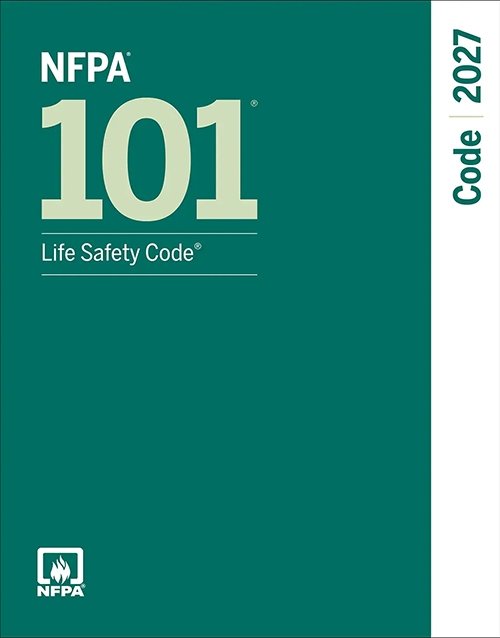
NFPA 101: Life Safety Code is an essential resource for professionals responsible for designing, managing, and maintaining safe buildings. It establishes minimum requirements to protect occupants from fire, smoke, and other life safety hazards while ensuring compliance with modern building regulations.
Primary users include:
Fire protection engineers and consultants
Architects and building designers
Authorities Having Jurisdiction (AHJs) and fire inspectors
Building owners and facility managers
Code officials and regulatory authorities
Safety professionals and risk management teams
Key Features and Benefits of the 2027 Edition
Remote Fire Protection Inspections
The 2027 edition references NFPA 915, allowing qualified remote inspections of fire protection and life safety systems where appropriate, improving inspection flexibility and efficiency.
Expanded Detection Requirements
Fuel gas detection requirements, harmonized with NFPA 715, have been expanded to additional occupancy types, including educational facilities, day-care centres, hotels, dormitories, and apartment buildings. Carbon monoxide detection requirements have also been extended to cover more new and existing occupancies.
Improved Assembly Occupancy Safety
The occupant load threshold requiring panic hardware in new assembly occupancies has been reduced from 100 to 50 occupants, enhancing emergency egress. Stage safety requirements have also been comprehensively updated to reflect current industry practices.
Enhanced Safety for Educational Facilities
Educational occupancies must now perform hazard and risk assessments and include wayfinding graphic maps within emergency action plans. The requirements for Emergency Responder Communication Enhancement Systems (ERCES) have also been expanded to educational and day-care occupancies.
Modernized and Reorganized Code
The code has been reorganized for improved usability, including updated provisions for modular rooms, sleep pods, furnishings, and decorative materials. New requirements have also been introduced for short-term rental properties and enhanced safety measures for existing apartment buildings.












Reviews
There are no reviews yet.